
CJC-1295 No DAC + Ipamorelin research peptide blend — LiveWell Peptides
CJC-1295 ( no DAC) + IPAMORELIN Price range: $ 85.00 through $ 115.00 - or subscribe
Back to products
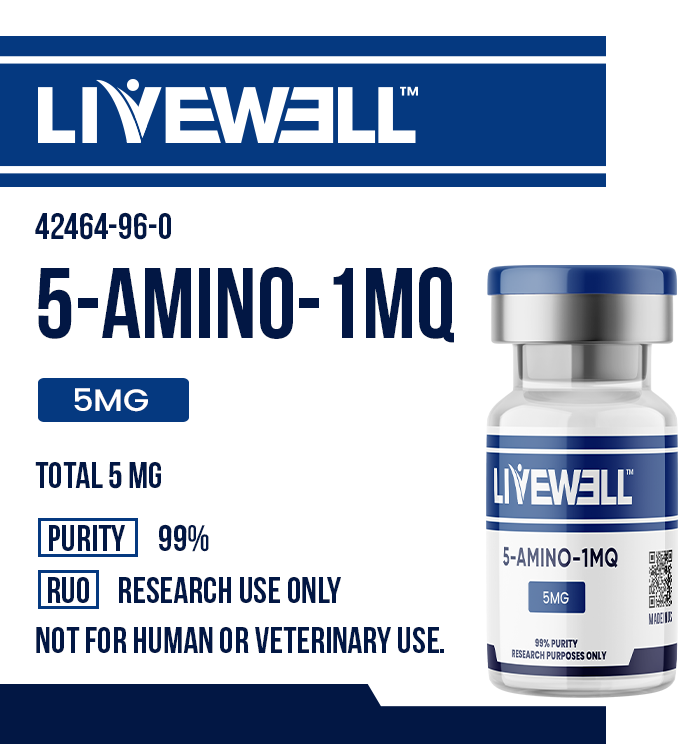
5-Amino-1MQ 50mg research compound vial — LiveWell Peptides
5-Amino-1MQ — NNMT Inhibitor | Research Grade $ 45.99 - or subscribe and save up to 10%

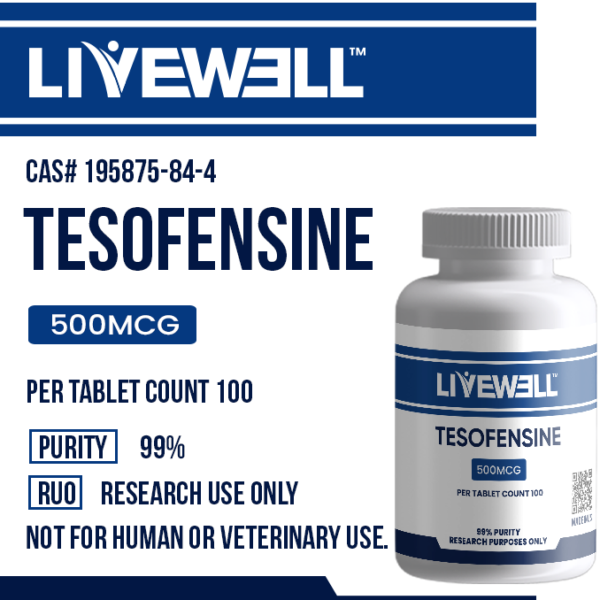
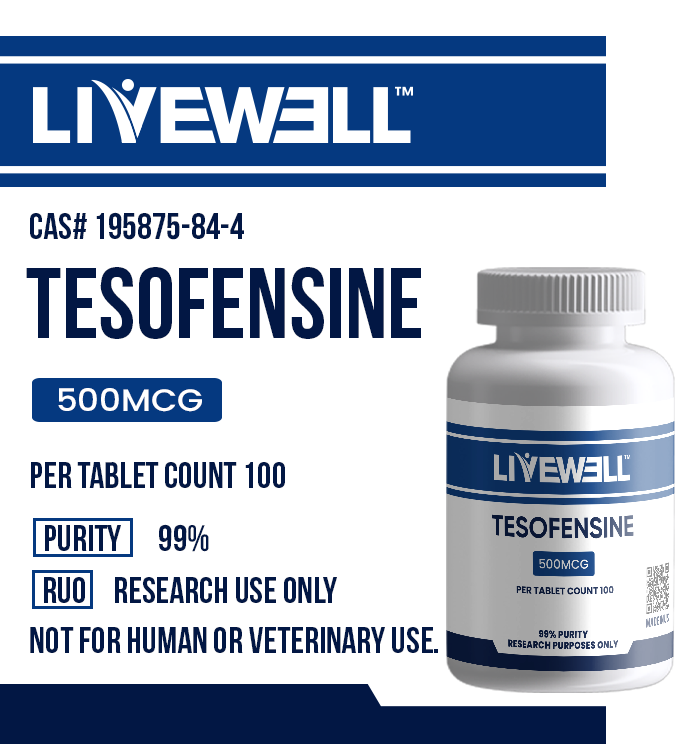
TESOFENSINE

$ 69.87

Tesofensine is a serotonin-noradrenaline-dopamine reuptake inhibitor (SNDRI) from the phenyltropane family, initially developed by NeuroSearch for Alzheimer’s and Parkinson’s diseases but later pursued for obesity treatment due to significant weight loss observed in clinical trials. It works primarily as an appetite suppressant by increasing levels of dopamine, serotonin, and noradrenaline in the brain, which regulate appetite, food-seeking behavior, and metabolism. It may also increase resting energy expenditure and modulate neuronal activity in the lateral hypothalamus, reducing feeding behavior.

Quantity Price Discount
3-5 $ 67.08 4%
6-8 $ 64.28 8%
10-15 $ 62.18 11%
16+ $ 69.87 $ 0.00

Add $ 200.00 to cart and get free shipping!

Description

Tesofensine

Tesofensine is a serotonin-noradrenaline-dopamine reuptake inhibitor (SNDRI) from the phenyltropane family, initially developed by NeuroSearch for Alzheimer’s and Parkinson’s diseases but later pursued for obesity treatment due to significant weight loss observed in clinical trials. It works primarily as an appetite suppressant by increasing levels of dopamine, serotonin, and noradrenaline in the brain, which regulate appetite, food-seeking behavior, and metabolism. It may also increase resting energy expenditure and modulate neuronal activity in the lateral hypothalamus, reducing feeding behavior

Key Points:

Development Status:

As of 2019, tesofensine was in Phase III clinical trials for obesity. Saniona, which acquired the rights from NeuroSearch in 2014, partnered with Medix, who submitted a new drug application to Mexico’s COFEPRIS in 2023, with a favorable opinion issued that year. It is not yet FDA-approved in the U.S. and is available only in investigational or international settings.

Efficacy:

Phase II trials showed dose-dependent weight loss of 6.5–12% over 24 weeks (0.25–1.0 mg daily) in obese patients (BMI 30–40 kg/m²) on an energy-restricted diet, significantly outperforming placebo (2% weight loss). The 0.5 mg dose achieved 9.2% weight loss, nearly twice that of other approved anti-obesity drugs like sibutramine or orlistat. A 48-week extension trial reported
13–14 kg weight loss at 0.5 mg. It also improved metabolic markers like triglycerides and insulin sensitivity.

Mechanism:

Tesofensine inhibits reuptake of serotonin (SERT), noradrenaline (NET), and dopamine (DAT) with IC50 values of 11 nM, 1.7 nM, and 65 nM, respectively. It indirectly stimulates α1 adrenoceptor and dopamine D1 receptor pathways, suppressing appetite without affecting taste perception or causing significant stereotypy (unlike dopaminergic drugs like phentermine). It also enhances hippocampal neurogenesis and BDNF levels, suggesting potential cognitive or antidepressant effects.

Side Effects:

Common side effects include dry mouth, nausea, insomnia, diarrhea, constipation, and headache. At higher doses (1.0 mg), increased blood pressure (6.8/5.8 mmHg) and heart rate (up to 8.5 bpm) were reported, though the 0.5 mg dose showed minimal cardiovascular impact. Combining tesofensine with metoprolol mitigates cardiovascular effects while preserving weight loss.

Pharmacokinetics:

Tesofensine has a long half-life of ~9 days, metabolized by CYP3A4 to its desalkyl metabolite (NS2360), with a half-life of ~16 days. The kidney plays a minor role in clearance (15–20%).

Safety Concerns:

Long-term safety data are limited, and concerns about underreported side effects in early trials (e.g., cardiovascular risks, anger/hostility at higher doses) have delayed regulatory approval. It’s not recommended without medical supervision due to its stimulant-like activity.
Other Uses:

Investigated for Prader-Willi syndrome and hypothalamic obesity (with metoprolol). It showed no efficacy for Alzheimer’s or Parkinson’s.

Availability:

Not FDA-approved; available in some regions via investigational use or compounding pharmacies. X posts suggest it’s marketed as a dietary supplement, but this is unregulated and risky, as it may be mislabeled. Always consult a healthcare provider.

Dosage:

Typical range:

0.25–0.5 mg daily (0.5 mg is optimal for balancing efficacy and side effects). Higher doses (1.0 mg) increase side effects without significantly improving weight loss. Dosing should be individualized based on medical history.

Notes:

Tesofensine’s weight loss efficacy is comparable to GLP-1 agonists like semaglutide in some trials, but is oral, not injectable, and requires no titration. However, semaglutide has more robust long-term safety data.